
Common website design mistakes San Diego businesses make include poor mobile responsiveness, slow loading speeds, and confusing navigation. These issues drive potential customers to competitors; therefore, local brands must focus on user-centric layouts and clear calls to action to succeed online.
You are investing significant effort into your digital presence, yet your phone remains silent and your contact forms are rarely filled. For many San Diego business owners, a visually appealing website is not enough if it fails to convert local visitors into paying customers. In our competitive coastal market, your site must function as a high-performance engine rather than a static brochure. Minor technical oversights can frustrate potential clients, causing them to abandon your page for a competitor in Chula Vista or La Jolla. This article identifies five critical design mistakes that frequently cost local businesses their leads. We will discuss why mobile responsiveness is non-negotiable for residents on the move, the dangers of slow loading speeds, and the importance of clear calls to action. By refining these elements, you can transform your website into a powerful tool for sustainable growth.
Why Your San Diego Website Might Be Driving Locals Away
San Diego is a city defined by its high-tech workforce and a constant influx of tourists who rely heavily on digital discovery. From the biotech hubs in Sorrento Valley to the coastal boutiques of La Jolla, the standard for online engagement is exceptionally high. In this environment, a mediocre website functions as a liability rather than an asset. It suggests a lack of attention to detail that savvy locals and visitors will immediately associate with your physical business.
Local search behavior across the 619 and 858 area codes is fast-paced and highly specific. Residents from Chula Vista to North County expect to find contact details, service menus, or booking options within seconds. If a site is clunky or difficult to navigate, users will likely bounce back to search results before your home page even finishes loading. This friction doesn't just lose you a single click; it damages your brand’s reputation in a community that values efficiency.
South Bay Web Studio is a local partner that understands these regional dynamics intimately. By providing professional web solutions and strategic digital marketing services, we help businesses avoid the common website design mistakes San Diego companies often make. Our goal is to ensure your digital presence mirrors the professional quality of your brick and mortar operations, turning local searches into long-term customer relationships.
Ignoring Mobile Users in a City on the Go
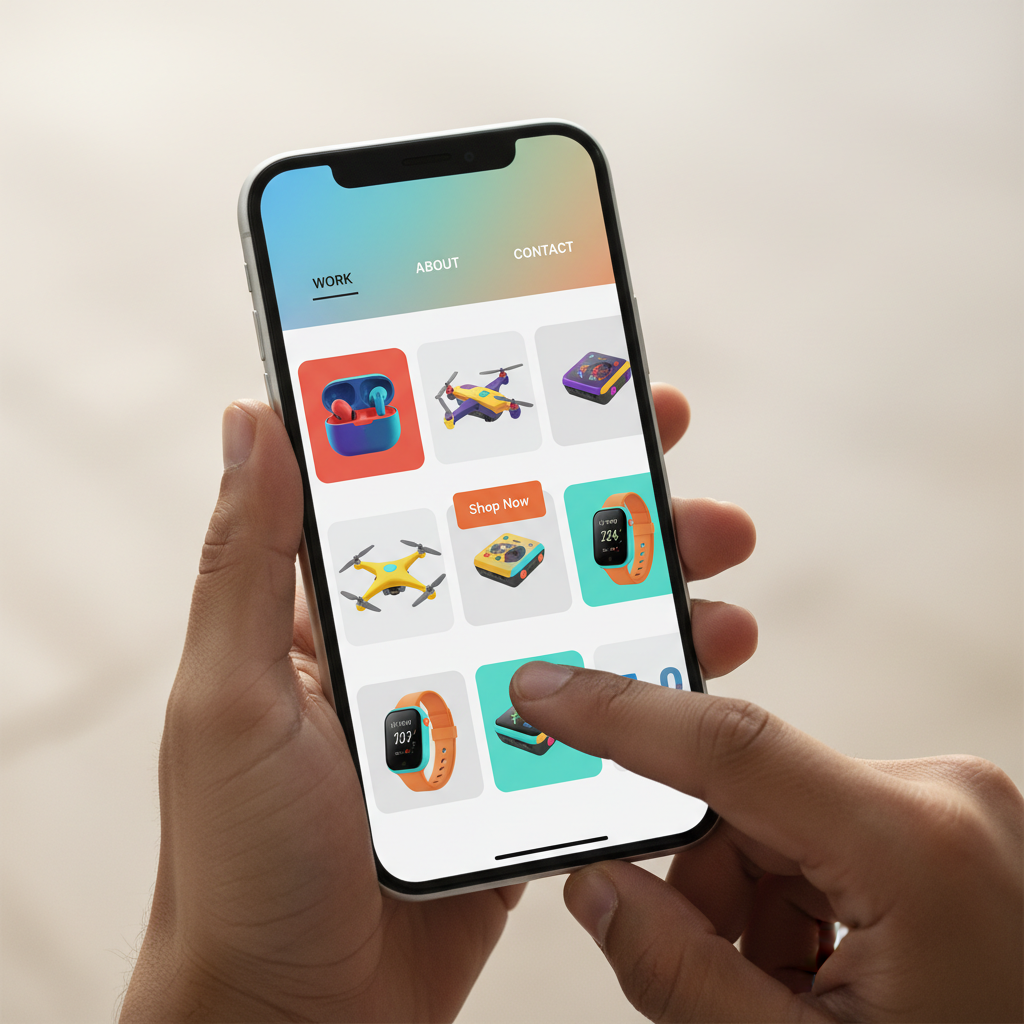
San Diegans are rarely stationary; they check surf reports at Sunset Cliffs, wait for the Trolley in Old Town, and look for lunch spots while walking through Little Italy. Their primary window into your business is a five inch smartphone screen. If your site requires users to pinch and zoom just to read your service list, you have already lost their attention.
One of the most frequent website design mistakes San Diego businesses make is failing to implement a fully responsive layout. Unlike a separate mobile version that redirects users to a stripped down subdomain, a responsive design uses a single codebase that fluidly adjusts elements based on the screen size. This ensures your content looks professional on everything from a high resolution tablet to a compact smartphone. A simple mobile version often lacks the full functionality of your main site, which can frustrate users who need specific information while on the move.
Poor mobile execution manifests in frustrating ways. Tiny buttons placed too close together lead to fat finger errors, where a user accidentally clicks a footer link instead of your booking button. Text that overflows the screen forces horizontal scrolling, which breaks the natural vertical flow of browsing. Beyond the user experience, Google now uses mobile first indexing as a primary ranking factor. This means if your mobile site is technically flawed, your visibility in local search results will plummet regardless of how well the desktop version performs. Integrating professional web solutions that prioritize mobile usability is a requirement for staying relevant in the 619 and 858 markets.
Slow Loading Times and the Pacific Beach Bounce
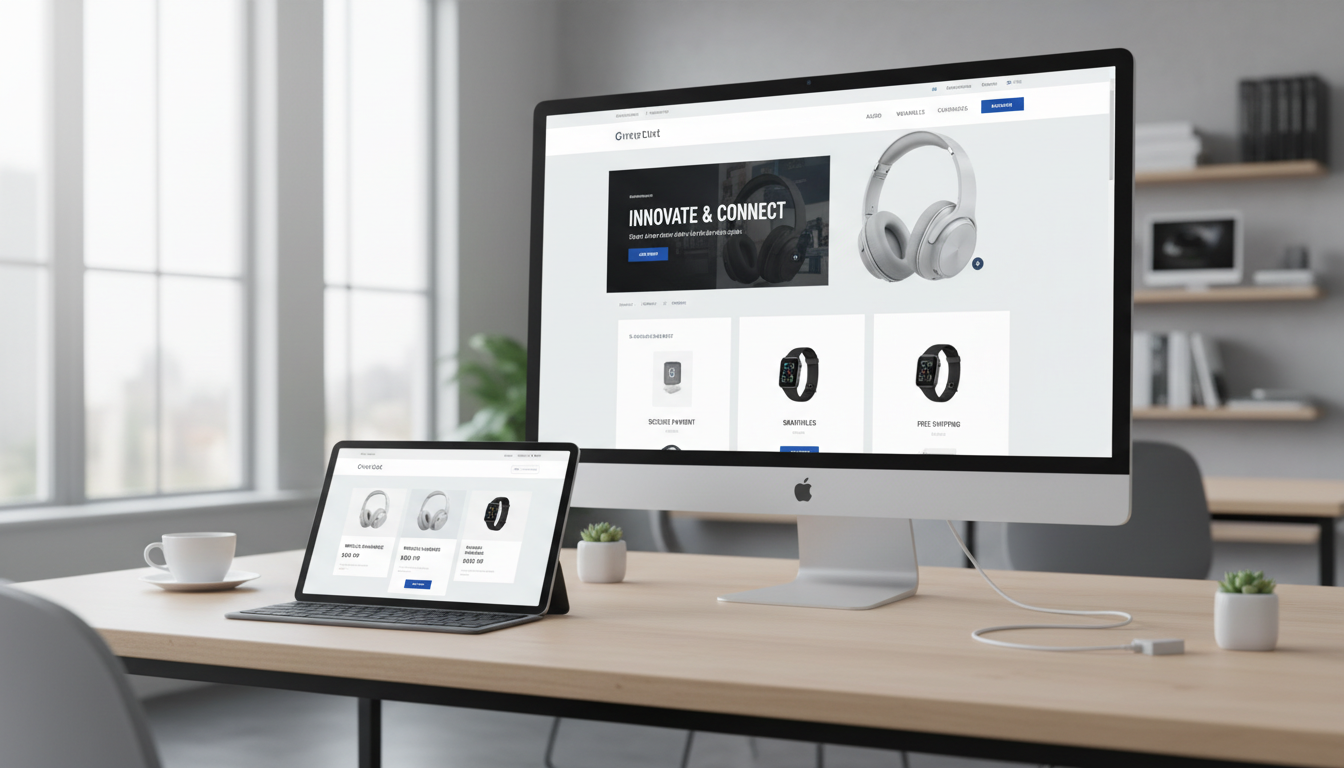
Technical performance is just as vital as visual appeal. A slow-loading server is the digital equivalent of being stuck in gridlock on the I-5 during the afternoon rush; it creates immediate frustration and a desire to exit as quickly as possible. In the context of your online presence, this exit is known as a bounce. When a potential customer clicks your link from a search result only to face a spinning loading icon, they rarely wait. They simply return to the search results to find a competitor who respects their time.
Data from industry leaders like Google shows that as page load time increases from one second to three seconds, the probability of a user bouncing increases by 32%. By the five-second mark, that probability leaps to 90%. These figures represent one of the most common website design mistakes San Diego businesses make, particularly when trying to showcase the beauty of our region. High-resolution, unoptimized images of local landmarks like the San Diego-Coronado Bridge or the lush gardens of Balboa Park can easily exceed several megabytes, dragging down performance and driving away users.
To keep your audience engaged, your site must be lean and technically sound. Implementing professional web solutions involves using modern image formats like WebP, which provide high-quality visuals at a fraction of the file size of traditional JPEGs. Additionally, leveraging browser caching allows returning visitors to load your site much faster by storing certain elements locally on their devices. When combined with strategic digital marketing services that prioritize speed, these technical refinements ensure your site remains as fluid and fast-paced as the city itself.
Vague Calls to Action and Missing Local Contact Info
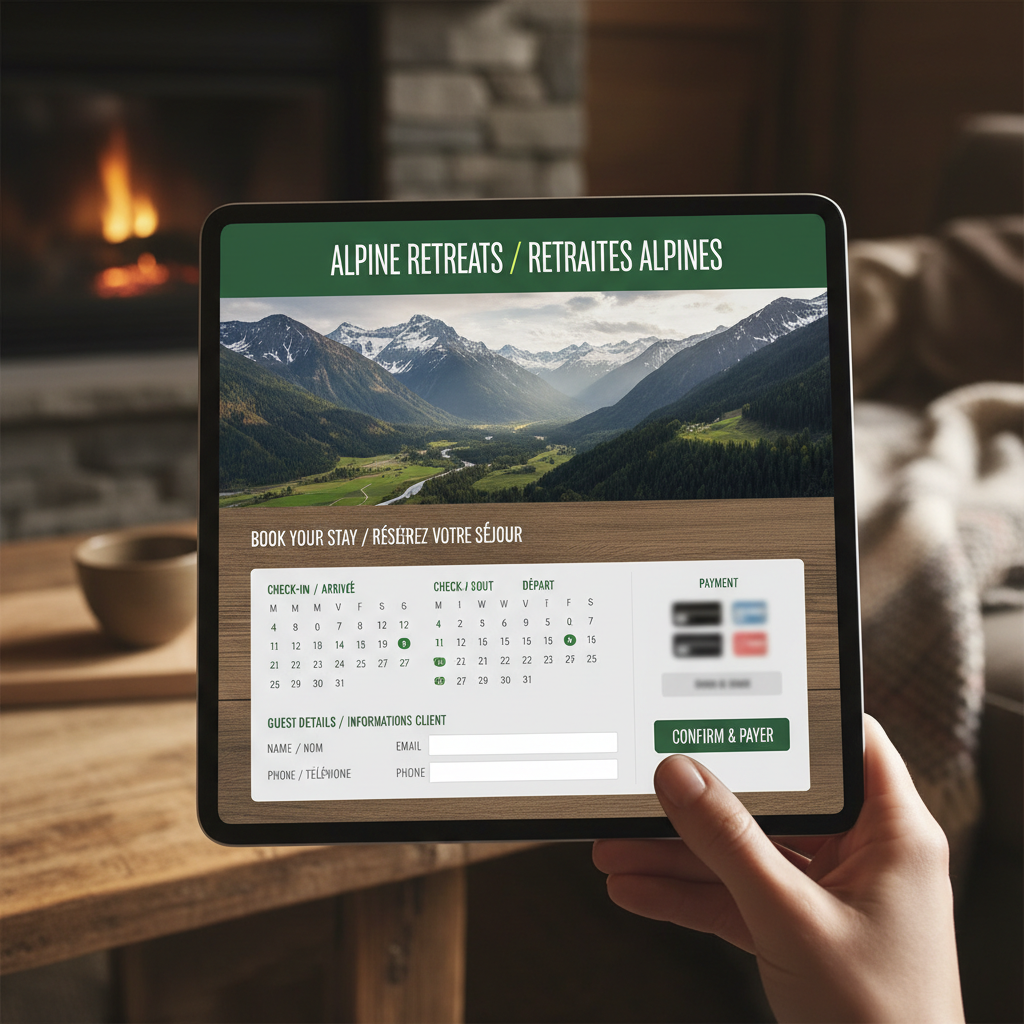
Once your site achieves the necessary speed to prevent a bounce, the user requires a clear path forward. One of the most subtle website design mistakes San Diego companies make is leaving the next step to the user's imagination. Vague buttons labeled "Submit" or "Contact Us" are often ignored because they lack urgency and context. Effective sites replace these with high-intent, local CTAs such as "Book Your Gaslamp Consultation" or "Schedule a Visit to Our San Diego Studio." These phrases provide a specific directive while reinforcing your physical presence in the region.
Local credibility is solidified when a visitor can quickly verify your roots in the county. Missing contact details, like a hidden phone number or a vague service area, create immediate skepticism. Displaying a local 619 or 858 area code and an embedded Google Map provides the geographical context San Diegans look for before committing to a service. This visual confirmation of your location helps potential clients feel confident that you are a neighbor, not a faceless national chain. By implementing professional web solutions that highlight these local markers, you bridge the gap between digital interest and physical business. Pair this clarity with strategic digital marketing services to ensure your contact information serves as a powerful trust signal across all platforms.
Cluttered Navigation and Poor User Experience

Clear navigation is the foundation of a successful user journey. When a visitor lands on your page, they should intuitively know where to go next without having to decode your menu. This follows the "Don't Make Me Think" principle of user experience, which posits that a website should be self-evident and obvious. An overabundance of menu options often leads to choice paralysis, where potential customers feel overwhelmed and simply leave. To avoid this common website design mistakes San Diego businesses encounter, you must limit your primary navigation to five or seven essential items.
For a service based business in the 619 or 858 area codes, the ideal structure is streamlined. A primary header should typically include Home, About, Services, and a clear Contact button. Secondary information, such as privacy policies or specific service sub-pages, can reside in a footer or a well organized dropdown menu. This organization creates a clear visual hierarchy, guiding the eye toward the most important information first and reducing cognitive load.
The Southern California brand aesthetic frequently prioritizes a balance between being relaxed and highly professional. Achieving this requires the strategic use of whitespace. Just as a well designed storefront in the Gaslamp Quarter uses space to highlight premium products, your website needs breathing room to keep the user focused. By implementing professional web solutions that utilize clean layouts and balanced proportions, you reflect a brand that is organized and capable. When these design choices are integrated with strategic digital marketing services, the result is a seamless experience that converts casual browsers into confident clients.
Neglecting Local SEO and San Diego Specific Content
A polished layout only succeeds if the words on the page resonate with the local community. One of the most overlooked website design mistakes San Diego businesses make is publishing generic, template copy that could apply to any city in the country. If your website describes your services without mentioning Chula Vista, National City, or the South Bay, you miss an opportunity to build immediate rapport with residents who prefer to shop local.
Google prioritizes relevance, and local relevance is built through specific geographic signals. Beyond your physical address, your content should reflect your involvement in the San Diego ecosystem. Referencing local partnerships, community events in Imperial Beach, or projects completed in the South Bay helps search engines categorize your business correctly. It also signals to human visitors that you are an active part of the 619 community, rather than a faceless national chain operating from a remote call center.
Practical optimization starts with your metadata. Your meta titles and descriptions should naturally incorporate local identifiers like San Diego or South Bay to attract high intent traffic. Avoid the outdated tactic of keyword stuffing, which involves listing every zip code in the county. Instead, focus on strategic digital marketing services that weave these locations into helpful, informative content. By integrating professional web solutions that highlight your local expertise, you transform your website from a generic digital brochure into a powerful community asset. This local focus ensures that when a neighbor searches for your services, your business appears as the obvious, trusted choice.